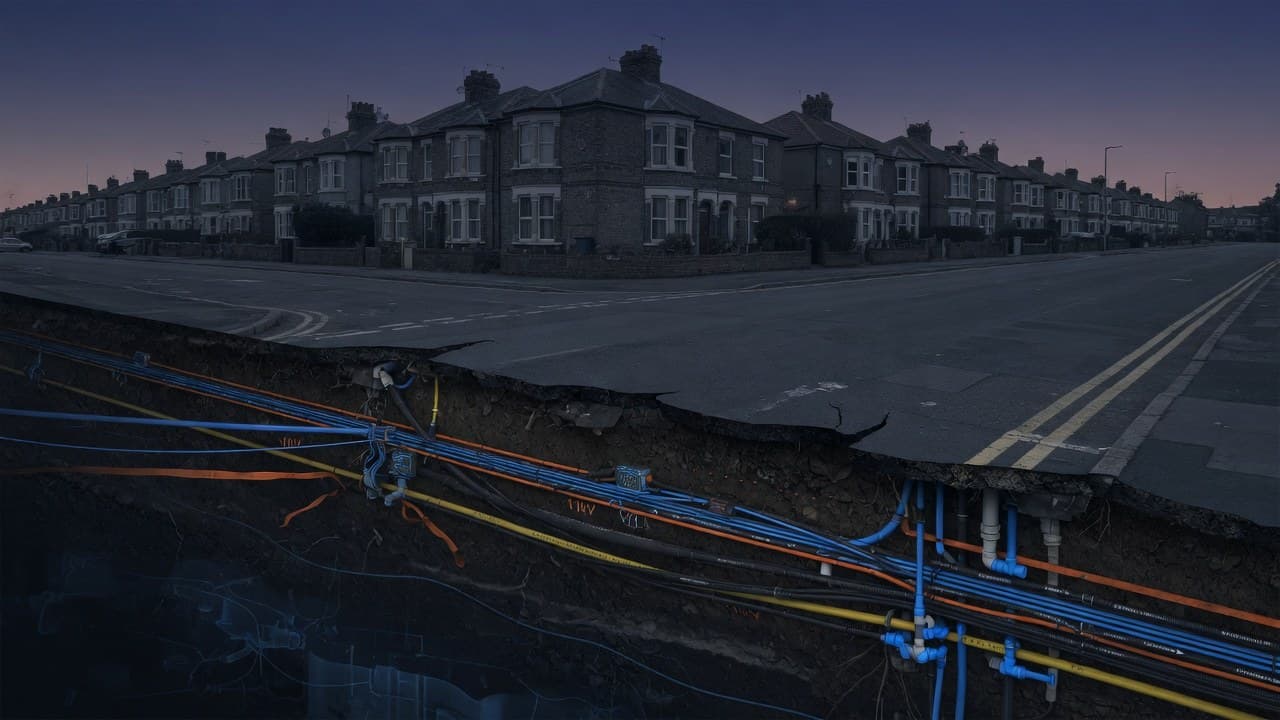
Welcome to the
What if every strike prevented the next two?
Every strike investigated properly, the real cause found with evidence, and turned into a damage reduction strategy.
We can't reduce what we don't understand.
A specialist investigation tool for any contractor, utility or fibre network builder that digs near buried services. Sister of the Underground Intelligence Bureau. In build now.
Built and backed by
60,000strikes / yr
The UK estimate everyone still quotes. It dates from 2014.
+17%in 2025
HSE-recorded electrical strikes rose to 3,025 last year. The direction of travel is the wrong way.
One
Strike Intelligence Bureau. Accurate causes, real evidence and a damage reduction strategy in one place.
The whole point
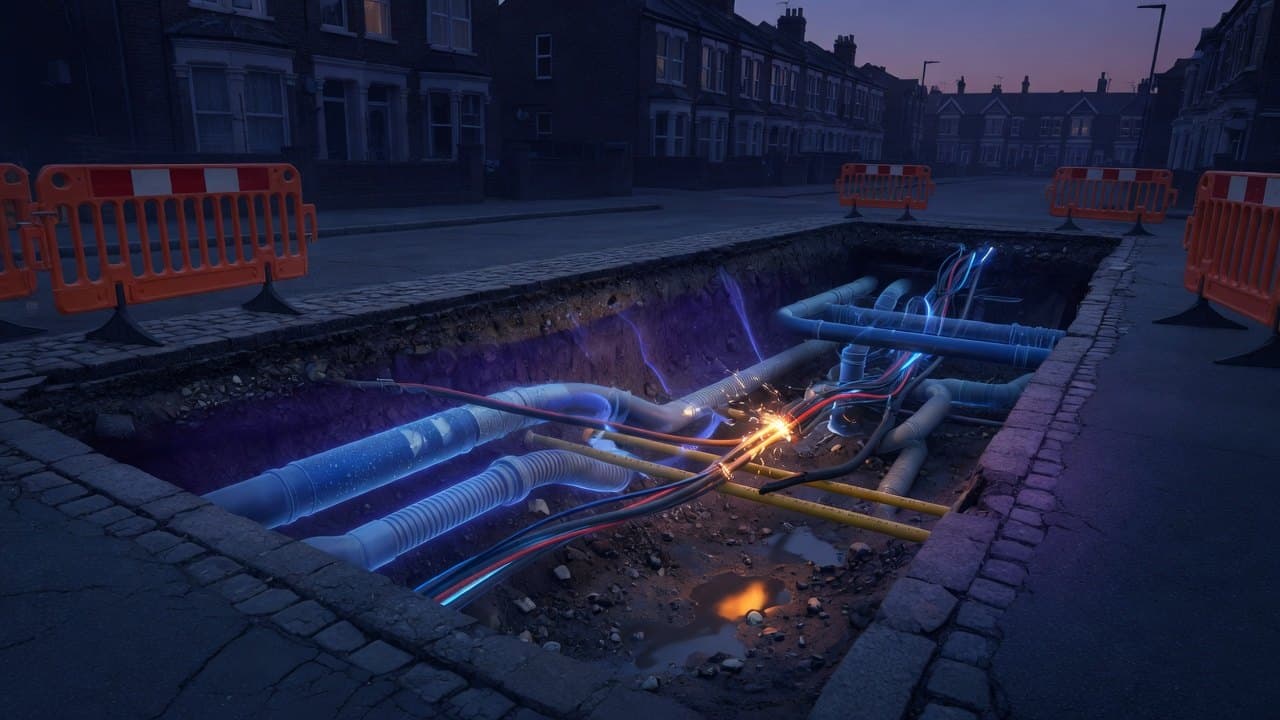
Every strike is an opportunity.
Every strike is an opportunity to learn and prevent the next one. Or the next injury: HSE figures record 36 people hurt by electrical strikes alone in 2025.
And it is an opportunity you have already paid for. The disruption, the repair, the standing time, the claim. All of that money is spent the moment the service is hit. The learning is the only return you can get on it.
Most companies throw that opportunity away. A cause gets picked from a dropdown, the form gets filed, and the same strike happens again on another site. The money is spent twice, and nothing was learned either time.
The Bureau exists so no strike is ever wasted. Investigate it properly once, and it pays you back for years.
The cost you have already paid
~£3,400direct, per strike
And the research puts the indirect costs at many times that: traffic, delay, lost output, reputation. Whatever the true figure on your job, it is spent before the investigation starts. The question is whether you get anything back.
NUAR economic case, direct cost per strike
Honest answers, by design
People tell the truth about what happened when the response is decided by the behaviour, not by the outcome. The Bureau is built around that principle, so the answers you learn from are honest ones. Blame produces paperwork. Understanding produces prevention.
What it's about
Strikes into learning.
An investigation is only as good as the questions it asks. Most tools ask for a date, a place and a cause code, and stop there. And anyone who runs a strike dashboard knows what comes back: cause boxes chased for months, returned blank or filled with the convenient option.
The Bureau runs the investigation the way a Sygma specialist would. What plans were held. What the locator actually showed. Was the genny connected, and to what. What was visible above ground, and what did each feature imply underground. What did the operative believe at the time.
Then the HSG47 lens is applied to the answers, and the tool pushes back where they do not hold together. What falls out the back: causes you can trust, and the themes and actions that become a damage reduction strategy.
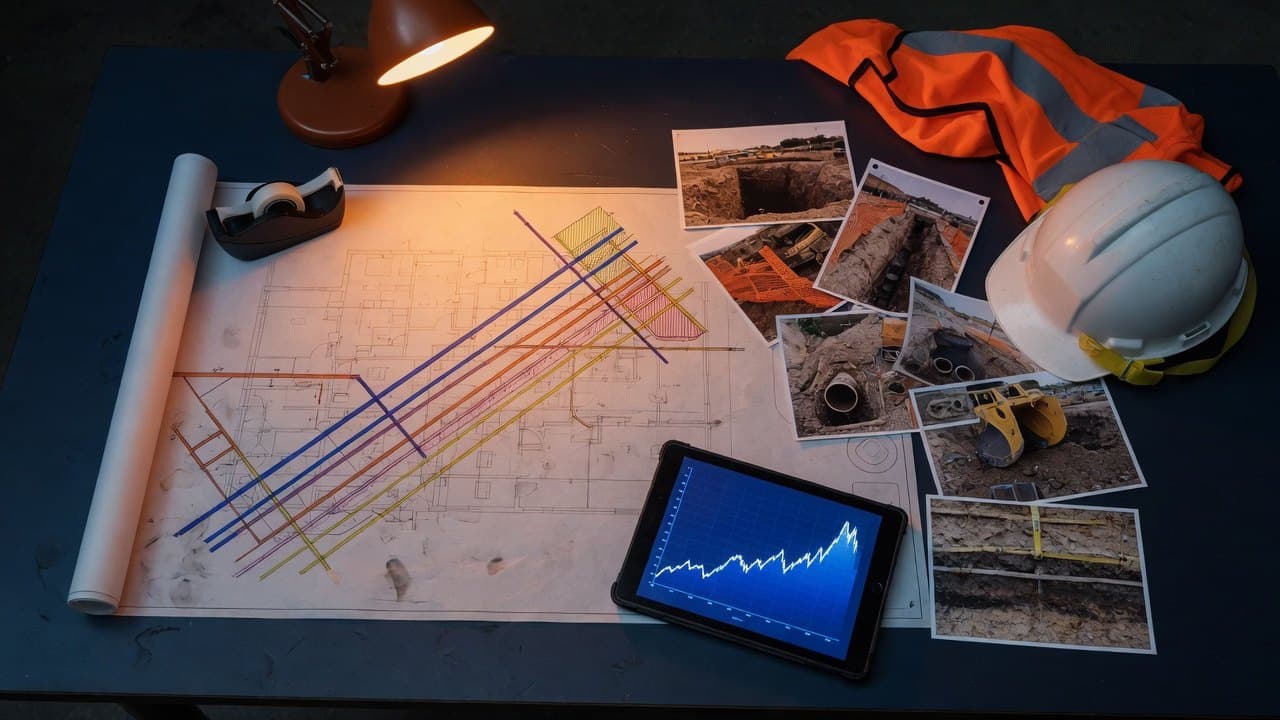
The difference
A claim is not evidence. "The genny was used" is a claim; the device log is the evidence. In the Bureau every answer has an evidence slot beside it, so the claim and its proof live together.
That is the whole product in one sentence: investigations you can stand behind, because every finding names its source. Even the avoidable-or-unavoidable call is a conclusion that carries evidence, not a vote in a meeting.
How it works
Guided, start to finish.
Nobody investigating a strike should be staring at a blank form wondering what to ask. The Bureau walks the investigator through the whole thing, the way a Sygma specialist runs it, and the accuracy of the cause is built in at every step. This is the full investigation we are building; the first piece of it, the strike review, is live now.
Open the strike
Opened the day it happens, while the trench is still open and memories are fresh. The record starts with the basics and the tool takes it from there. Every question that follows is chosen by the answers before it, so a simple strike stays simple and a messy one gets dug into.
The evidence goes in first
Plans, the permit, photos, statements, the CAT download. The system reads all of it and pre-fills what the documents already say, so nobody types in what a document can prove.
The walk-through
Intelligent forms with full guidance at every step: what the plans showed, what was visible above ground, how each service was positively identified, how the dig ran. Written by the people who teach this for a living.
The push-back
The assistant challenges what does not reconcile. If the statement says the genny was used and the device log shows no transmitter, it says so, and asks again.
The cause, earned not picked
No cause can be selected until the plan, locate and dig questions carry evidence. That is what makes the cause accurate instead of convenient.
The strategy
Findings become owned actions, actions roll up into themes, and the themes become your damage reduction strategy. Every AI conclusion is labelled and confirmed by a human before it reaches a report.
Why we're doing it
Nobody else does this.
Strike investigation is not a workflow anywhere
The industry portal takes statistics in and gives a dashboard out. Incident platforms have a strike as one incident type among many. Nothing walks an investigator through a strike properly.
Nobody joins the locator's own data to the strike
Every locator manufacturer logs usage in its own silo. No product on the market reads the device log for the window of the strike and puts it beside the operative's statement.
Generic AI tools do not know this trade
AI-assisted investigation products exist, but none of them knows HSG47, PAS 128 or EUSR. Ours is built by the people who train the industry to find buried services.
The loop to training never gets closed
Root cause says one thing, the training record says nothing. The Bureau types actions, so a training action carries its owner, its course and its closure evidence.
Nobody is counting properly
There is no general legal duty to report a strike, and the numbers the industry quotes are a decade old. Investigated strikes, properly recorded, are better data than anyone holds today.
The monthly report eats someone's day
Client working groups want a one-pager per strike: photos, causes, what will be done differently. Someone builds that pack by hand every month. The Bureau generates it from the investigations you already did.
The backing
Powered by Sygma.
Over two decades the Sygma team have investigated thousands of utility damages. There isn't a type of utility or a scenario we haven't encountered, and that intelligence is priceless.
Until now it lived in our trainers' heads and their courses. The Bureau puts it to work: the AI inside is plugged into that expert knowledge.
And after 21 years reducing damages through training, this is the natural next step: the same expertise applied to the investigation itself, not a software company having a guess at excavation. Sygma experts support the flow, and at the higher tiers they audit the reports, up to a Sygma reviewer signing off every strike.
21years
working to reduce utility damage
 Sygma Solutions
250+years
combined experience in utility detection and avoidance
One
Strike Intelligence Bureau, with all of it plugged in
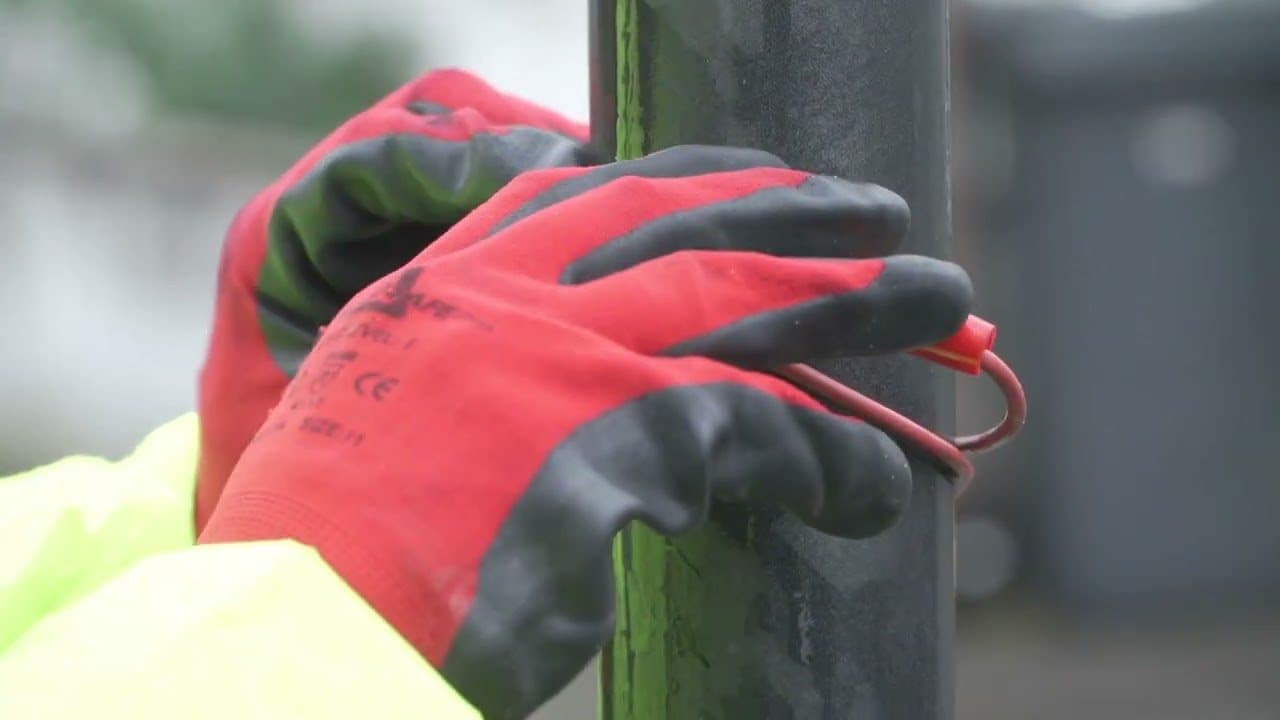
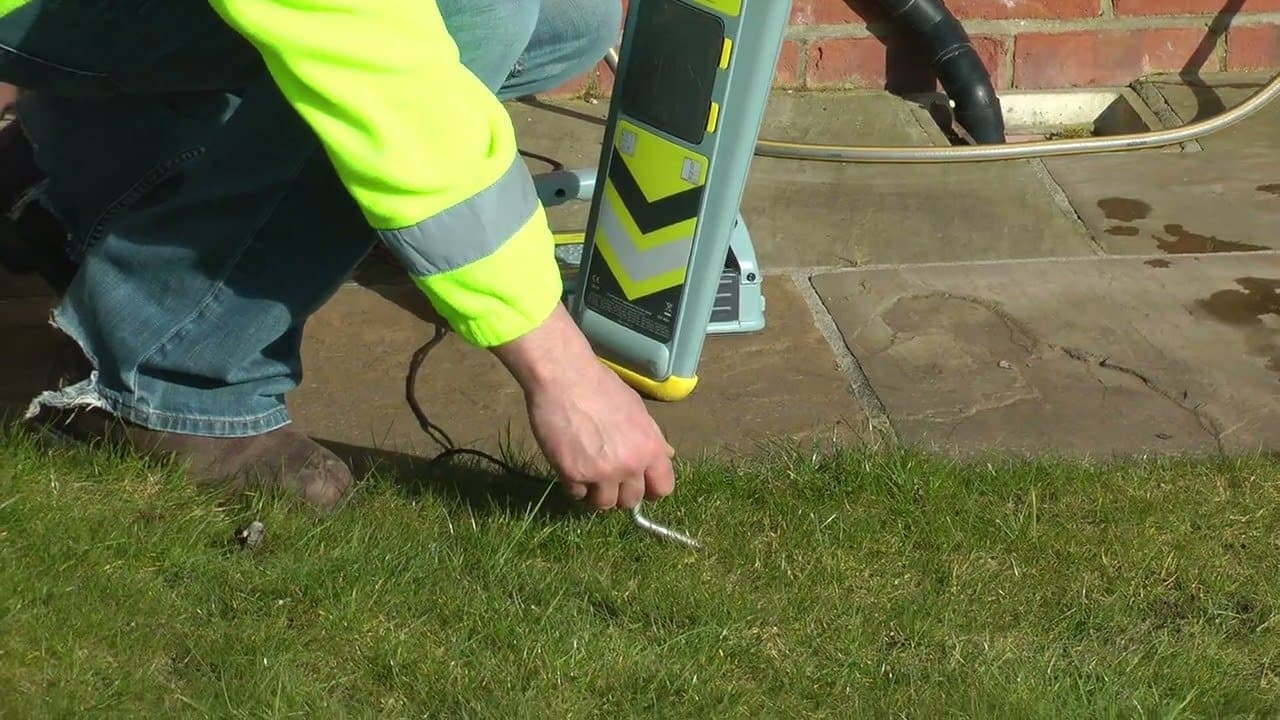
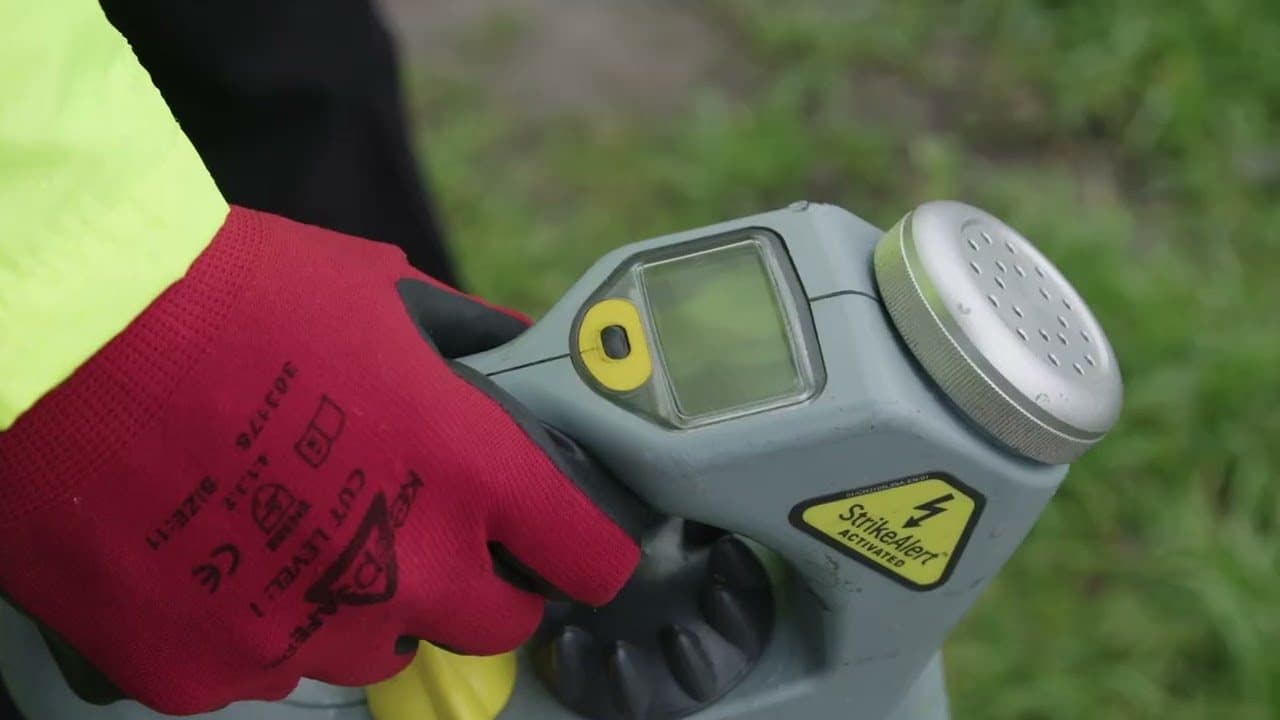
The unfair advantage
The CAT data, read properly.
Every strike investigation turns on the same question: was the locator actually used, and used properly? Today that gets answered with a claim, or at best a dashboard screenshot.
The Bureau answers it with the CAT's own download, analysed by Locator Data, our built-in CAT data analysis tool. Not a screenshot: minute by minute locating data, the timeline of the whole day, and the split between what happened before the strike and what happened after.
Which modes, in what order, for how many seconds. Depth readings and alerts. Comparison days for the same unit. All of it pulled by the system for the window of the strike, never typed in, and put beside the operative's statement so the story and the record have to reconcile.
Trigger time
30m 31s
The time the trigger was physically held.
Signal received
13m 29s
The time a signal was actually coming back while the trigger was held. 44% of it.
Real locator download, anonymised. One unit, one day, one strike.
What we're building
The product.
The guided investigation
A question tree shaped by Sygma's method. It adapts to the answers, reads the uploaded plans, permits, statements and device logs, pre-fills what it can, and pushes back where the story and the evidence disagree.
The Strike Intelligence Standard
A published core standard for what a proper strike investigation asks and records. Compatible with the industry's own reporting, so the regulator return is a button, not an afternoon.
The device data, never typed
The locator log for the exact window of the strike, pulled and analysed by the built-in Locator Data tool. Seconds per mode, mode order, depth readings and alerts, beside comparison days for the same unit.
Evidence beside every claim
Photos, plans, permits, statements and video all read and extracted by the system. Findings name and quote their document, and record what a document does not say.
Reports that hold up
A proper investigation report per strike, and period reports across the register: themes, causes, assets, environments. Every conclusion cites its evidence, ready for a Sygma audit at the higher tiers.
Your own agent
A built-in AI agent carrying decades of Sygma expert knowledge, that has also read your own register and answers with citations. Ask it what changed, what repeats and where the next strike is coming from.
Your standard, cited by clause
Upload your own safe digging standard, and your client's. The investigation and the report cite the exact clauses, so you can show compliance clause by clause, with HSG47 as the fallback.
Actions with teeth
Typed actions: training, procedural, kit. Owner, due date and closure evidence required. Close them all in one afternoon and the Bureau will ask why.
Multi-tenant, properly
Your strikes are yours. Own database boundary, row-level security, full audit trail, UK hosting. Access is scoped to the person, not just the company.
What comes out of it
Fewer strikes.
For the companies that use it: every strike investigated properly, with Sygma's expert knowledge in your pocket. Not evidence filed in a folder: a specialist-grade investigation that pushes back on weak answers until the accurate cause is on the table, with the evidence sitting beside it.
From there, a damage reduction strategy built from what your register actually says. The regulator return is handled on the way through.
Retraining aimed where the evidence points, not spread thin across everyone. And a countable record of the stops your stop rule produced: the strikes that did not happen.
Sold with Sygma training, so the people running the investigations are trained investigators. At the top tiers Sygma's own reviewers audit the reports and sign off every strike.
Sygma experts behind you
- Toolrun your own investigations, the AI reviews underneath
- QuarterlySygma reads a sample and writes the themes report
- Monthlythe same, monthly, with a call
- Every strikea Sygma reviewer signs off each investigation before close

In build now
Want in early?
We are building this with a small number of early partners who shape the flow, the questions and the reports. If your company hits buried services and wants accurate causes and a real route to fewer of them, talk to us.